Camden Council parking permit rules for removals NW5
Posted on 08/07/2026
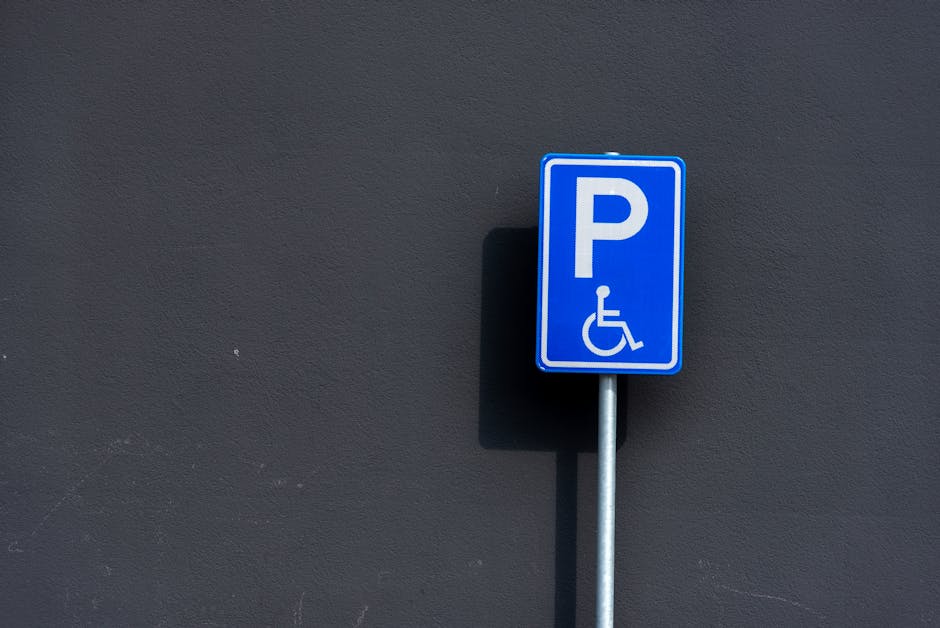
Camden Council parking permit rules for removals NW5: what you need to know before moving day
If you are moving in NW5, the parking side of the job can be the bit that quietly causes the most stress. The boxes may be packed, the lift might be booked, and the keys are ready, but if the van cannot stop legally outside the property, everything slows down. That is why Camden Council parking permit rules for removals NW5 matter so much: they help you plan the loading space, avoid parking penalties, and keep the day moving. Simple in theory. A little fiddly in real life.
This guide explains how removal parking permissions usually work in Camden, why they matter in busy streets, and how to organise the practical details without last-minute panic. You will also find a checklist, comparison table, common mistakes, and a realistic example from a typical Kentish Town move. To make the wider move easier, you may also want to look at our services overview and the practical advice in our guide to common booking mistakes.
- Why Camden Council parking permit rules for removals NW5 matters
- How Camden Council parking permit rules for removals NW5 works
- Key benefits and practical advantages
- Who this is for and when it makes sense
- Step-by-step guidance
- Expert tips for better results
- Common mistakes to avoid
- Tools, resources and recommendations
- Law, compliance, standards, or best practice
- Options, methods, or comparison table
- Case study or real-world example
- Practical checklist
- Conclusion
- Frequently asked questions
Why Camden Council parking permit rules for removals NW5 Matters
NW5 is one of those parts of London where the parking space you need always seems to be one van length too short. Streets around Kentish Town, Tufnell Park, Gospel Oak and the surrounding edges can be tight, busy, or partly restricted at exactly the wrong time. For removals, that creates a very specific problem: you need enough legal space for a van to load safely and quickly, but you also need to respect the local parking controls.
That is where the council rules come in. A removals move is not the same as a casual shop stop. You may need a loading bay, a dispensation, suspension, or another form of temporary permission depending on the street and the vehicle size. If you get the parking wrong, the consequences are rarely dramatic, but they are annoying: extra walking distance with heavy furniture, wasted time, congestion around the property, and possible fines. Nobody wants to carry a sofa half a road away in the rain. It's not exactly the dream start to moving day.
For people leaving flats, student rooms, family homes, or small offices in NW5, this is also about coordination. The parking plan affects the removal crew, the lift booking, the neighbour relations, and even whether a same-day move stays on schedule. If your move involves stairs, awkward access, or bulky items, it is worth reading our flat removals Kentish Town and furniture removals Kentish Town pages for a better sense of how access and parking interact on moving day.
How Camden Council parking permit rules for removals NW5 Works
At a practical level, removals parking rules in Camden usually come down to one question: can the vehicle stop where it needs to stop, for long enough, without breaching restrictions? In many London boroughs, that means checking the street markings, bay signs, loading limits, and any resident-only controls before the van arrives. Camden is no different in principle, although the exact permission needed depends on the road, time, and type of obstruction.
In removal jobs, people often use one of a few arrangements:
- Loading only: suitable where brief loading is allowed and the van can legally stop without causing an issue.
- Temporary parking permission or dispensation: used when a vehicle needs to remain in a restricted space for a moving operation.
- Suspension of a bay: sometimes used when a bay must be reserved for the move.
- Private forecourt or driveway access: ideal when available, because it reduces the amount of formal parking admin.
The main thing to understand is that removals parking is not just about the driver turning up and hoping for the best. It is a small bit of advance planning that protects the whole job. In a typical NW5 move, you may need to think about whether the van can fit, whether the street allows waiting, whether timing should avoid school run traffic, and whether a second person should help ferry items from the property to the vehicle.
If you are planning a full house move, our house removals Kentish Town and removals Kentish Town pages explain how the wider moving process is usually managed in the area. For people moving at short notice, our same-day removals Kentish Town service overview can also be useful, because parking arrangements become even more important when the schedule is tight.
Key Benefits and Practical Advantages
Getting the parking side right is not just about avoiding trouble. It actually makes the move smoother in a few very real ways.
- Faster loading: fewer long walks with boxes means less fatigue and less chance of damage.
- Lower risk of penalties: if the vehicle is parked legally, you reduce the risk of a ticket or enforcement issue.
- Better timing control: the crew can work to a plan instead of waiting for a space to become available.
- Safer handling: shorter carrying distances are safer for bulky furniture and awkward items.
- Less stress for neighbours and residents: a planned stop is usually less disruptive than improvising on the day.
There is also a hidden benefit people underestimate: confidence. When the parking question is sorted, the whole move feels more under control. You can focus on the actual removals instead of staring at the window every five minutes wondering whether the van has managed to stop anywhere sensible.
For people comparing providers, this can be a useful sign of professionalism. The more experienced crews usually ask about access, restrictions, van size, and loading conditions early on. If you are still deciding what kind of help you need, have a look at our man and van Kentish Town and removal companies Kentish Town pages to understand the kinds of support available.
Who This Is For and When It Makes Sense
Not every move needs the same level of parking planning, but in NW5 a lot of them do. If you are moving from a terrace, a mansion block, a converted flat, or a street with busy daytime restrictions, you should assume parking will need attention early.
This matters especially for:
- Flat movers dealing with limited roadside space
- Families moving larger furniture or many boxes
- Students with a short turnaround and lots of shared access points
- Office moves where the vehicle must load efficiently to avoid disruption
- Anyone on a narrow road where stopping is awkward even for a few minutes
It also makes sense if you are moving on a weekday, during peak daytime traffic, or anywhere near a station or busy junction. Kentish Town and nearby streets can change character very quickly: quiet one moment, clogged the next. That is why the parking plan should be part of the move plan, not an afterthought.
If your move has an office dimension, our office removals Kentish Town page may help you think through timing and access. If you are moving smaller loads or a single-room setup, our student removals Kentish Town and man with a van Kentish Town pages are relevant too.
Step-by-Step Guidance
Here is the cleanest way to approach Camden Council parking permit rules for removals NW5 without overcomplicating it.
- Check your street conditions early. Look at whether the road is resident-only, pay-and-display, loading-only, or has time-limited restrictions. If you already know the exact postcode and road, great. If not, note the entrance side, bay markings, and any signs outside the property.
- Estimate van size and loading space. A small van and a large removal lorry are not treated the same in practice. A short stop may be fine for one job and completely impractical for another.
- Decide whether temporary permission is needed. If the road is tight or regularly enforced, you may need something more formal than "we'll just be quick". Truth be told, that phrase is a gamble.
- Build the booking around access time. Leave room for loading, lift delays, stairs, and traffic. The best moves are the ones that are not rushed.
- Confirm the plan with your removal provider. Make sure the crew knows exactly where the van can stop, whether the front door is accessible, and what the backup plan is if the bay is occupied.
- Prepare the property. Keep boxes labelled, clear hallways, protect floors if needed, and make sure someone can guide the team if the parking spot is a bit awkward.
- Have a fallback option. If the intended space is blocked, can the van use another point nearby? Can items be carried from a side street? Planning B saves the day more often than people expect.
A small but useful note: if the move includes awkward access, don't separate parking from lifting plans. They are the same conversation. A van with good parking but terrible hallway access still slows the whole job. For more on tricky access situations, our article on when lifts fail and man with van alternatives in NW5 is worth a read.
Expert Tips for Better Results
After enough local moves, a few patterns become obvious. The jobs that go smoothly usually share the same habits.
- Book parking checks before you book the van, if possible. That way you are not forced into a vehicle size that does not fit the street.
- Aim for earlier loading windows. Mornings often give you a better chance of finding space and avoiding heavy traffic. Not always, but often enough.
- Tell the removal team about real-world obstacles. Steps, gates, narrow corners, awkward kerbs, and poor sightlines all matter.
- Ask whether the van can wait legally nearby. Sometimes the stop point is not directly outside, and that changes the carrying route.
- Keep one person free to manage access. It sounds minor, but someone checking the path, doors, and parking point is worth their weight in tea and biscuits.
One extra tip from day-to-day experience: always assume something small will take longer than expected. A neighbour might need to pass. A lift may be slow. A double-parked car might appear out of nowhere. None of this is unusual. It just means a little buffer time helps a lot.
If you are trying to balance cost and efficiency, our pricing and quotes page can help you think through what affects the final figure, and our guide to avoiding hidden removal charges explains why access details should always be shared upfront.
Common Mistakes to Avoid
Parking issues are often not caused by one huge error. They are caused by lots of little assumptions. Here are the ones that trip people up most often.
- Assuming loading is always allowed: some streets allow only limited stopping, and that can be narrower than you think.
- Forgetting to check the exact road, not just the postcode: one street may allow a stop while the next one does not.
- Booking the van before confirming access: if the vehicle is too large, you may have to improvise on the day.
- Underestimating how long loading takes: the sofa never seems heavy until you carry it from the far end of the street.
- Not warning the neighbours or building management: this can create avoidable tension in shared buildings.
- Leaving parking admin until the last afternoon: by then you may be stuck with limited options.
There is also the classic mistake of packing too slowly and then expecting the parking setup to absorb the delay. It usually doesn't. The van cannot read your packing progress. Slightly rude of it, really, but there we are.
For more practical moving advice, our road removals guide for narrow streets in NW5 and station removals timing guide cover a lot of the same real-world pressure points.
Tools, Resources and Recommendations
You do not need a stack of complicated documents to manage removal parking well, but you do need a few practical tools and habits.
- Street photos: take clear pictures of the parking area, signs, and frontage before moving day.
- Written notes: keep a simple note of road name, time window, bay type, and any restrictions.
- Floor plan or access notes: useful if you are moving furniture through tight hallways or stairwells.
- Inventory list: helps the crew work faster once the vehicle is in place.
- Customer service contact: make sure you know who to speak to if the plan needs a quick adjustment.
It is also worth reading the practical pages on our website before you book. The most relevant ones for many NW5 moves include removal services Kentish Town, removal van Kentish Town, and man with van Kentish Town. If you are moving particularly bulky items, piano removals Kentish Town shows how specialist handling and access planning tend to go hand in hand.
Law, Compliance, Standards, or Best Practice
Parking permissions are one part of a wider duty to move safely and responsibly. The exact Camden Council process can vary by street, permit type, and timing, so it is sensible to treat the council position as something to verify rather than assume. That is especially true in London, where road layouts, loading areas, and enforcement patterns can differ block by block.
From a best-practice point of view, the safest approach is straightforward:
- Do not stop in a restricted bay unless you know the rules for that location.
- Do not rely on a verbal "it should be fine" if the street is clearly controlled.
- Give the removal company accurate information about parking, access, and loading distance.
- Build in time for the unexpected, because moving day almost always has one small surprise.
Good removals practice also means considering safety around pedestrians, parked cars, and building entrances. That is why access planning, insurance awareness, and clear communication matter so much. If you want to see how we approach those wider responsibilities, our insurance and safety, health and safety policy, and terms and conditions pages are useful background reading.
Options, Methods, or Comparison Table
Different moves call for different parking solutions. Here is a simple comparison to help you think it through.
| Option | Best for | Pros | Watch out for |
|---|---|---|---|
| Standard roadside loading | Short, low-complexity moves | Simple, quick, usually the least admin | May not suit controlled streets or longer loading times |
| Temporary parking permission | Moves needing a specific stopping point | More certainty for the crew and customer | Needs planning and may depend on street conditions |
| Bay suspension or reserved space | Busy roads, larger moves, or tight timing | Reduces the chance of the loading point being blocked | Usually needs more lead time and careful coordination |
| Off-street access or private forecourt | Properties with driveway or courtyard space | Very convenient and often the easiest option | Not available at many NW5 addresses |
The practical choice is rarely the fanciest one. It is the one that matches the street, the property, and the size of the job. If you are moving a flat with limited space, a well-planned man and van setup may be more efficient than a larger vehicle. If you are moving a full home, a more formal parking arrangement can pay off quickly.
Case Study or Real-World Example
Here is a typical kind of NW5 scenario. A couple moving from a first-floor flat near Kentish Town had booked a van for late morning. The street looked manageable at first glance, but once the van arrived, the nearest spot was already occupied and the remaining bays were tightly controlled. The crew could have tried to wing it, but that would have meant carrying heavy boxes farther than expected and losing time almost immediately.
Instead, the move had been planned with access in mind. The customer had already shared photos of the street, flagged the limited parking, and kept the hallway clear. The team adjusted the loading point, used a nearby legal stopping option, and split the load into manageable runs. No drama, no awkward shouting across the road, and no last-minute scramble for a new plan.
It was not perfect, because real moves never are. A neighbour needed to pass through the entrance once or twice. A lamp took longer to wrap than expected. But the day still finished on time. That is really the point. Good parking planning does not make moving day magical. It just removes the avoidable friction.
For families with more belongings and a slightly more complex route, our house removals advice for families offers a helpful complementary read.
Practical Checklist
Use this checklist a day or two before the move. It is small, but it saves headaches.
- Confirm the exact street name and any parking restrictions
- Check whether loading is allowed at the planned time
- Share photos of the street and frontage with the removal team
- Tell the team about stairs, lifts, gates, or narrow entrances
- Decide where the van should stop if the first option is blocked
- Warn neighbours or building management if needed
- Pack and label boxes so the load can move quickly
- Keep keys, documents, and essentials with you
- Leave buffer time for traffic, parking, and lift delays
- Make sure someone is available to answer access questions on the day
If you are also planning storage, packing help, or a more staged move, our storage Kentish Town and packing and boxes Kentish Town pages may be worth a look.
Get a free quote today and see how much you can save.
Conclusion
Camden Council parking permit rules for removals NW5 are really about one thing: making sure move day works in the real world, not just on paper. In a tight London street, a legal stopping point is not a small detail. It is the difference between a smooth loading sequence and a long, frustrating carry with everyone getting tired too early.
The best approach is calm and practical. Check the street, plan the vehicle, share the details, and leave a little room for the unexpected. That combination goes a long way. Honestly, it is usually the difference between a move that feels chaotic and one that feels quietly under control.
If you want a team that understands NW5 access, street timing, and the little parking details that can make or break a move, the next step is simple: get in touch and talk it through. A good plan now saves a lot of stress later, and that is worth its weight in boxes.


 CALL US NOW


