Kentish Town Road removals guide for narrow streets NW5
Posted on 29/04/2026
Moving on or around Kentish Town Road can feel straightforward on paper, then suddenly the reality hits: parked cars, tight turns, basement flats, shared entrances, a van that looks twice the size once it reaches the curb, and neighbours who are not thrilled about a blocked pavement. If you are planning a move in NW5, this Kentish Town Road removals guide for narrow streets NW5 is here to make the day calmer, safer, and a lot less awkward.
The aim is simple. Help you think through access, timing, loading, packing, and the small local details that make a big difference. Narrow London streets do not forgive poor planning. But with the right approach, a move that looks tricky can become nicely manageable. Truth be told, most of the stress comes from things people only notice on moving morning. We can fix that before it starts.
For wider service support, you may also find it helpful to look at the main removals service in Kentish Town, especially if your move involves multiple rooms, stairs, or awkward access.
Why Kentish Town Road removals guide for narrow streets NW5 Matters
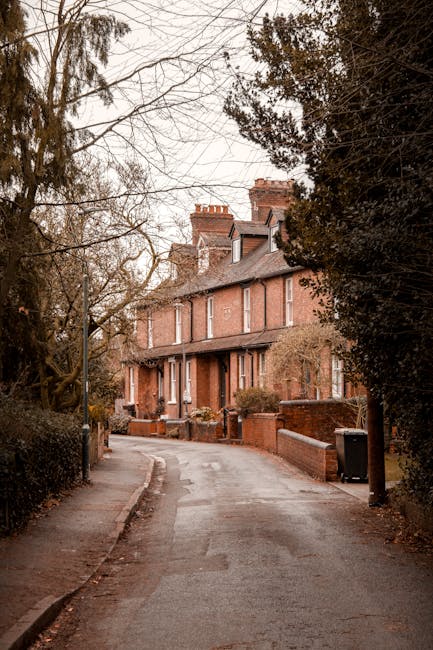
Kentish Town Road sits in one of those classic London pockets where moving is never just about carrying boxes from A to B. The road itself, and the streets feeding into it, can bring narrow carriageways, busy traffic, limited stopping space, delivery competition, and access that changes from one side street to the next. Add flats above shops, older Victorian conversions, and homes with steep staircases, and you have a moving day that needs proper planning rather than guesswork.
The reason this matters is simple: the more compact the street, the more every decision affects the next one. If the van arrives too early, it may have nowhere to stop. If it arrives too late, your lifting window disappears. If boxes are not labelled properly, the team ends up walking back and forth through tight hallways, which is never ideal. And if you have bulky furniture, one badly judged turn can cost time and energy fast.
In a place like NW5, a smart removals plan is less about being fancy and more about being realistic. That includes knowing whether your move is a flat move, a house move, or something trickier like a split-level property or a short-notice relocation. If your move leans heavily towards apartments, the dedicated flat removals support in Kentish Town is especially relevant, because flats bring their own access issues even before the van is parked.
One small but important point: narrow streets are not just an inconvenience. They affect safety, vehicle choice, parking strategy, and the speed of the move. And yes, even the weather can matter. A damp pavement at 8am, with a narrow boot open and half the street trying to pass, is a very different job from a clean, dry midday load.
How Kentish Town Road removals guide for narrow streets NW5 Works
At a practical level, moving in narrow streets works best when the job is broken into small decisions. First, you assess the property and the street. Then you choose the right vehicle and loading method. After that, you sequence the move so the most awkward items are dealt with first, not last. That sounds obvious, but plenty of moves unravel because the plan stays vague until the van arrives.
A good removals workflow usually looks like this:
- Street and access check: Measure doorways, stair width, and the likely van parking position.
- Vehicle selection: Choose a van that fits the road without forcing risky manoeuvres.
- Load planning: Put awkward items, heavy furniture, and fragile goods in the right order.
- Protection and packing: Use wraps, covers, straps, and sturdy boxes where needed.
- Timed movement: Work in an order that reduces repeat trips through tight spaces.
- Final checks: Confirm nothing is left behind, damaged, or blocking access.
For smaller or more flexible moves, a man with van in Kentish Town setup can be a very practical fit, especially when access is tight and you want a simpler, more agile solution than a larger removal crew. The point is not to use the biggest vehicle available. Often, the better move is the one that can actually get into position without drama.
There is also a big difference between a move that is technically possible and a move that is comfortable for everyone involved. In narrow streets, comfort tends to come from good communication, sensible loading, and a van choice that respects the local layout. Sounds basic. It is. But basics are what keep a moving day from turning messy.
Key Benefits and Practical Advantages
When narrow-street removals are planned properly, the benefits show up in ways people often underestimate at first. You save time, yes, but you also reduce stress, avoid avoidable lifting, and lower the risk of bumps, scratches, and blocked access complaints from neighbours. That last bit matters more than people think. Nobody wants a moving day argument at the front door.
Here are the main advantages of treating the move as a local access project, not just a transport job:
- Less time lost to parking problems: A suitable vehicle and clear access plan cut waiting time.
- Safer lifting: Fewer awkward carries means less chance of strain or dropped items.
- Better protection for furniture: Shorter, better-managed carries reduce impact damage.
- Cleaner building access: Stairwells and communal areas stay more controlled.
- Reduced neighbour friction: Efficient loading helps avoid blocking or repeated doorways traffic.
- More accurate quoting: The clearer the access, the more useful the estimate.
If your move includes furniture that needs special handling, it is worth looking at furniture removals in Kentish Town so you can plan for wardrobes, sofas, tables, bed frames, and oddly shaped items before they become a problem on the pavement. And if there is an upright or digital instrument in the mix, do not improvise; use a dedicated piano removals service because piano moves are their own little world, honestly.
A quieter but very real benefit is emotional. A well-run move feels under control. You are not chasing missing tape, guessing whether the van can fit, or asking three people to hold a sofa at an impossible angle. That feeling matters. Especially on a long day.
Who This Is For and When It Makes Sense
This guide is for anyone moving on Kentish Town Road or in the surrounding NW5 streets where access is tighter than average. That includes tenants, homeowners, first-time buyers, landlords arranging a changeover, students, small offices, and people moving into or out of a flat conversion. In other words, a lot of very normal London moves with slightly not-normal access.
It makes particular sense if any of these apply:
- You live on a street with limited stopping space.
- Your property is in a block, terrace, or conversion with stairs.
- You have bulky or fragile furniture.
- You need a same-day turnaround or a tightly timed slot.
- You are moving in a way that needs extra packing, loading, or storage support.
Students and short-term renters often need a nimble approach, so the dedicated student removals option in Kentish Town can make sense for lighter loads and quick in-out moves. On the other hand, if your move is bigger or involves more rooms, the broader house removals service may be the better fit.
To be fair, people often think a narrow street only matters for the van. It affects the whole operation. Door-to-van distance, carrying routes, where boxes pause, whether a neighbour can still get through, and whether a quick second run is even possible. That is why it makes sense to tailor the move to the street, not just the postcode.
Step-by-Step Guidance
Here is a practical way to handle a move in a narrow NW5 street without making it more complicated than it needs to be.
1. Walk the route before moving day
Start outside the property. Look at the pavement width, the nearest legal stopping point, the likely path from van to front door, and whether there are low branches, railings, bollards, or steps. If you can, stand there for a minute and picture a sofa going through that route. A little odd, maybe, but useful.
2. Measure the awkward bits
Measure door widths, stair turns, ceiling height on landings, and the largest furniture items. If there is a cupboard, large mirror, radiator cover, or bed base that barely fits through the hall, you want to know now, not halfway down the stairs with sweat running down your back.
3. Choose the right vehicle size
In narrow streets, bigger is not always better. A vehicle that is too large may slow the move more than it helps. Smaller and medium-sized vehicles are often easier to position and less stressful for the driver, especially where parking is limited or traffic is steady.
4. Pack by access, not just by room
Pack the items you will need first in the most accessible way. Keep essentials separate. Label boxes clearly. If your packing is chaotic, the loading process gets chaotic too. If you need supplies or full packing support, the packing and boxes service is a sensible place to start.
5. Load heavy and awkward items early
Large furniture should usually go in first, with lighter boxes and softer items filling the gaps. The aim is to make the load stable and efficient. This is where straps, blankets, and sensible stacking do a lot of quiet work in the background.
6. Keep communal access open where possible
If you are in a block or shared building, try to avoid blocking doorways, lifts, or stairwells for longer than necessary. A quick, tidy flow is better for everyone. It also lowers the chance of complaints, which is one less thing to think about on an already busy day.
7. Do a final sweep before the van leaves
Check cupboards, behind doors, under beds, and inside storage spaces. This is when people find kettle leads, passports, remote controls, and the one charger they were sure had vanished into the void. Happens all the time.
Expert Tips for Better Results
A few small adjustments can make a big difference in narrow-street removals. These are the kinds of things that experienced movers tend to do almost automatically, but they are worth spelling out.
- Book a realistic time slot: Early starts can help, but only if everyone can access the property and the street is not already full of commuter traffic.
- Reserve mental energy for the hard items: Don't waste the first hour on random boxes while the sofa and wardrobe are still looming.
- Keep one route clear: A single, uncluttered carrying path beats several slightly better ones.
- Protect corners and floors: Narrow hallways magnify tiny mistakes.
- Use the right team size: Too many people in a cramped space can slow things down. Yes, really.
One of the best decisions you can make is to be honest about access from the start. If the road is awkward, say so. If there is no lift, say so. If the sofa has to be turned on its side twice to clear the stairwell, say that too. Clear information leads to better planning, better quoting, and fewer surprises.
If you are comparing service styles, you may want to look at man and van options in Kentish Town alongside broader removal services. The right choice depends on volume, access, and how much help you want with lifting and loading.
Also, keep an eye on the practical rhythm of the day. If you know the street gets busier by late morning, that should influence your schedule. A move that starts at the right time often feels half as hard. Sounds small. It isn't.

Common Mistakes to Avoid
Most moving problems in narrow streets are not dramatic disasters. They are little planning gaps that stack up. The fix is mostly common sense, though common sense has a habit of disappearing under pressure.
- Booking the wrong vehicle size: Too large and you struggle with access; too small and you waste time on repeat trips.
- Underestimating staircases: A three-storey walk-up can be more demanding than a larger property with easier access.
- Poor box labelling: If boxes are mixed or unmarked, unloading becomes messy fast.
- Leaving parking until the last minute: Narrow roads are not the place to improvise.
- Forgetting insurance and item protection: Tight turns and narrow landings leave less room for error.
- Not planning for bulky items: Sofas, wardrobes, beds, and gym equipment need a plan of their own.
There is also a subtle mistake people make: assuming the move will be fine because the distance is short. Short distance does not always mean easy move. A ten-minute drive can still be a demanding loading job if the street is tight and the property access is awkward.
Another one, and it happens more than you'd think, is forgetting disposal or leftovers. If you need a clean-out before or after the move, a well-planned move should allow for recycling, donation, or storage decisions in advance. Otherwise you end up standing in the hallway wondering what on earth to do with the spare chair.
Tools, Resources and Recommendations
Good tools do not magically make a move easy, but they do make the hard bits less clumsy. For narrow-street removals, these are the most useful items and resources to have in mind.
| Tool or Resource | Why It Helps | Best Use Case |
|---|---|---|
| Sturdy boxes and tape | Keeps small items organised and easier to stack | Flats, student moves, mixed household loads |
| Furniture blankets and wraps | Protects edges in tight stairwells and doorways | Sofas, tables, wardrobes, white goods |
| Straps and trolleys | Improves control over heavy or awkward items | Long carries, loading into the van, narrow corridors |
| Clear labels | Speeds loading and unloading, reduces mistakes | Any move with multiple rooms or storage items |
| Storage option | Gives flexibility if completion dates do not line up neatly | Delayed moves, downsizing, renovation gaps |
If you need to bridge a gap between move-out and move-in dates, looking at storage in Kentish Town can remove a lot of pressure from the day itself. And if you want to compare vehicle options, the dedicated removal van information is useful when deciding how much capacity you actually need.
For people planning cost-conscious moves, the pricing and quotes page is a sensible next stop. A good quote should reflect access, volume, timing, and any special handling, not just a rough guess based on postcode alone.
Small recommendation, from a practical point of view: keep a simple essentials bag with phone charger, keys, water, documents, and a snack. By mid-afternoon, you will be glad you did. Moving has a way of making even a biscuit feel like a luxury.
Law, Compliance, Standards, or Best Practice
For a narrow-street move in NW5, the main compliance concerns are usually practical rather than highly technical. You need to think about safe lifting, vehicle access, parking rules, loading restrictions, and care around public pathways and shared spaces. If your move affects neighbours, buildings, or local traffic, it is best to handle it in a way that is considerate and within local rules.
Because parking and loading rules can vary by location and time of day, it is wise to check local restrictions rather than assume. Councils and street layouts can change how loading is treated, and what is acceptable at one time may not be acceptable at another. If you are unsure, planning conservatively is usually safer than pushing your luck.
From a best-practice standpoint, a removal provider should also take care with:
- safe manual handling practices,
- appropriate load securing,
- insurance considerations,
- clear communication about access constraints,
- respectful conduct in shared residential spaces.
If safety is a top concern, the detailed insurance and safety information is worth reviewing, along with the health and safety policy. Those pages help set expectations for how a professional move should be handled. And if you care about ethical business practice more broadly, the company's about us and modern slavery statement are useful trust signals too.
For readers who want a bit more reassurance around payments and data handling, the payment and security page and privacy policy provide the usual baseline information. Not exciting, sure, but important. The boring pages often matter most.
Options, Methods, or Comparison Table
There is no single best moving method for every narrow street in Kentish Town Road. The right choice depends on volume, access, urgency, and how much hands-on help you need. Here is a simple comparison to make the decision easier.
| Method | Best For | Strengths | Trade-offs |
|---|---|---|---|
| Man and van | Smaller moves, flexible schedules, tighter streets | Agile, often easier to park, cost-effective | Less capacity than a larger crew |
| Full removals team | Larger homes, heavier furniture, more rooms | More hands, faster loading, better for complex jobs | May need more space and planning |
| Same-day removals | Urgent changes, short notice, quick turnaround | Fast response, simple scheduling | Less time for pre-planning |
| Storage-supported move | Delayed dates, downsizing, renovation gaps | Flexible and low-pressure | Requires extra organisation |
If you are not sure which route fits, the same-day removals option can be useful for urgent situations, while the broader removal companies overview helps if you are comparing providers and service depth.
For many NW5 moves, the sweet spot is a compact vehicle with strong loading support. Not glamorous. Just sensible.
Case Study or Real-World Example
Here is a realistic example based on the kind of move that comes up often around Kentish Town Road.
A tenant in a first-floor flat needed to move out of a narrow terrace side street near the road, with a sofa, bed frame, two shelving units, a desk, and around twenty boxes. The biggest problem was not the total volume. It was the route. The staircase turned sharply on the landing, the front pavement was busy with parked cars, and the building entrance opened directly onto a tight footway.
Instead of treating it like a simple box shift, the move was broken into stages. The bed frame was disassembled first. The sofa was wrapped and moved while the corridor was still clear. Boxes were grouped by weight so the lighter ones could fill spaces in the van. The van was positioned for the shortest possible carry, and the team kept the hallway open for neighbours. Nothing dramatic, no heroics, just good sequencing.
What made the difference? A calm load order, a realistic van size, and honest access planning before the day. The move still took effort, obviously. But it did not become the kind of story people tell for the wrong reasons. That is usually the goal.
If the move had involved higher-value contents or more specific setup needs, the team might also have considered extra support from removal services in Kentish Town, especially if storage, specialised handling, or a larger vehicle had been required.
Practical Checklist
Use this checklist before moving day. It is simple, but it catches many of the issues that trip people up in narrow streets.
- Confirm the exact moving date and arrival window.
- Check street access, loading space, and nearby parking restrictions.
- Measure large furniture and staircase turns.
- Decide whether you need packing help or just boxes and tape.
- Label all boxes by room and priority.
- Separate valuables, documents, and essentials.
- Disassemble bulky furniture if needed.
- Protect floors, corners, and fragile items.
- Arrange storage if move-out and move-in dates do not align.
- Share access notes with the removal team in advance.
- Keep phone charged and keys easy to reach.
- Do a final sweep of cupboards, lofts, and under-bed spaces.
Expert summary: In narrow NW5 streets, the most successful moves are rarely the fastest-looking ones. They are the ones where access, timing, and packing are handled in the right order, with no scrambling at the kerb.
If you are still comparing the broader route for your move, the main services overview can help you see how the different options fit together. And if you are ready to ask a specific question about access or timing, the contact page is the natural next step.
Conclusion
Moving along Kentish Town Road and its narrow NW5 side streets does not have to become a day of last-minute problem solving. With a realistic plan, the right vehicle size, careful packing, and a clear understanding of access, the whole process becomes much more manageable. That is really the heart of this guide.
The main thing to remember is that narrow streets reward preparation. They are not impossible. They just ask a little more of you. Plan the route, think through the stairs, keep the van choice sensible, and make sure everyone knows what is happening before the first box moves. The calmest moves are usually the ones that looked boring on paper. Boring is good sometimes.
Get a free quote today and see how much you can save.
And if you are still weighing up your options, take your time, ask the awkward questions, and choose the approach that makes the day feel steady rather than rushed. That is the real win.



 CALL US NOW


